I remember the moment vividly—seeing my local map pack rankings slip just as I thought I had everything under control. It was frustrating, almost like watching my hard work vanish overnight, leaving me wondering where I went wrong. That lightbulb moment hit: I was making five critical mistakes—and they were killing my ROI without me even realizing it.
Today, I want to share what I’ve learned to help you avoid the same pitfalls. If you’re struggling to get the local visibility, calls, and leads you want from your Google Map listings, this post will decode the common errors holding you back—and how to fix them fast.
Why Your Map Pack Strategies Could Be Backfiring
In my early days managing client profiles, I believed that just having a well-optimized Google My Business (GMB) profile was enough. But the reality is more complex. The competition’s evolving, and Google’s algorithms are changing fast. According to Moz’s 2024 Local Search Ranking Factors report, over 35% of local searches result in no clicks due to poor listing management or outdated strategies. That surprised me! It drove home the point that even small mistakes could mean the difference between dominating the map pack or fading into obscurity.
Many business owners still assume that gunning for high rankings is a matter of a few tweaks, but trust me—they aren’t. I’ve seen profiles that looked good on the surface but were secretly tanking their ROI because of overlooked errors.
Feeling like your efforts aren’t paying off? You’re not alone. I’ve faced these issues myself—and I’ve found that understanding the biggest mistakes is the first step to turning things around.
So, what are these costly errors? Let’s dig into them and discover actionable fixes. Are you making any of these common mistakes? If you want to avoid wasting more time and money, read on.
The journey to mastering map pack management starts here—stay tuned for the practical solutions that helped me transform my local results and can do the same for you.
Enhance Your Google My Business Profile Effectively
Start by claiming and verifying your GMB listing if you haven’t already. Ensure all information—business name, address, phone number, and hours—is consistent and up-to-date. Use primary keywords naturally within your business description to signal relevance. Regularly update your profile with fresh photos, special offers, and posts to keep your listing active. Remember, a complete profile is seen as more trustworthy by both Google and potential customers.
Optimize Local SEO Elements Strategically
Refine Your Business Categories and Attributes
Select the most specific categories that fit your service offerings. Adding relevant attributes like ‘Wheelchair Accessible’ or ‘Wi-Fi Available’ can attract targeted searches. These small details improve the richness of your listing, making it more appealing in local searches. Think of categories as the DNA of your listing—precision counts.
Harness Local Keywords and Content
Incorporate locality-specific keywords into your business description and services. For example, instead of just ‘Plumbing Services,’ use ‘Emergency Plumbing in Downtown Chicago.’ Create posts highlighting local events or partnerships to show community engagement. This strategy signals relevance to Google’s local algorithms, boosting your visibility.
Implement GMB Elevation Techniques for Rapid Gains
Leverage advanced tactics like adding service-area details, FAQ snippets, and customer reviews. Encourage satisfied clients to leave detailed reviews with keywords included naturally. Respond to reviews promptly to build trust and engagement. Use links wisely—interlink your website pages with your GMB profile to enhance authority. For in-depth methods, check out GMB elevation techniques.
Consistently Manage and Cultivate Customer Reviews
Reviews are the currency of local rankings. Develop a systematic approach to request feedback from happy clients, ensuring your panel remains active. Address negative reviews professionally; resolving issues publicly can turn complaints into trust signals. Incorporate keywords into review responses to reinforce relevance. Remember, the quantity and quality of reviews combined influence your rank more than anything else.
Monitor, Analyze, and Adjust Regularly
Use tools like Google Insights and third-party dashboards to track your listing performance. Identify which keywords, photos, or posts generate the most engagement. Experiment with different content types and timings. Consistent analysis allows you to adapt swiftly—think of it as fine-tuning your local SEO engine for maximum RPM. Want a proven roadmap? Visit optimize your map pack.
When it comes to boosting your business’s visibility on Google Maps, many entrepreneurs believe that investing in generic map pack services or relying solely on quick fixes will skyrocket their local rankings. However, in my experience, this approach overlooks critical nuances that separate mediocre results from true dominance. Let’s dig deeper into some common myths and advanced mistakes professionals often make—and how to avoid them.
Are You Falling for the Myth That More Links Equal Higher Rankings?
Many assume that building a high volume of backlinks or citations automatically elevates local rankings. While backlinks are important, Google’s local algorithm prioritizes relevance, proximity, and engagement signals over sheer link count. Overemphasizing link-building without focusing on your GMB profile’s quality and local relevance can backfire, resulting in wasted resources and stagnation. For reliable results, leverage proven strategies like integrating local keywords naturally into your profile and content, as discussed in our cornerstone content on mastering map pack secrets.
Beware of the Trap: Cookie-Cutter Services Don’t Deliver Local Wins
Many marketers push generic packages promising rapid rank gains. The truth? Local SEO is inherently nuanced; what works in one area might flop in another. These services often neglect the specifics of your niche, community, and customer base. They may even use risky tactics that violate Google’s guidelines and jeopardize your profile’s integrity. To truly elevate your GMB, consider tailored approaches like advanced elevation techniques—check out GMB elevation tactics for a reasoned, systematic boost.
How Do Capabilities of Google’s AI Alter Local Search Strategies?
As Google integrates AI and machine learning into its algorithms, traditional optimization methods are no longer sufficient. AI algorithms now analyze behavioral signals such as call volume, user engagement, and review sentiment to determine rankings. This shift means that active management—response to reviews, regular posting, and customer engagement—is critical, not optional. Relying solely on technical fixes without fostering real customer interactions can leave your profile stagnant. A sophisticated approach combines on-page signals with local community engagement for sustained growth, as detailed in our guide on data-driven local SEO tweaks. 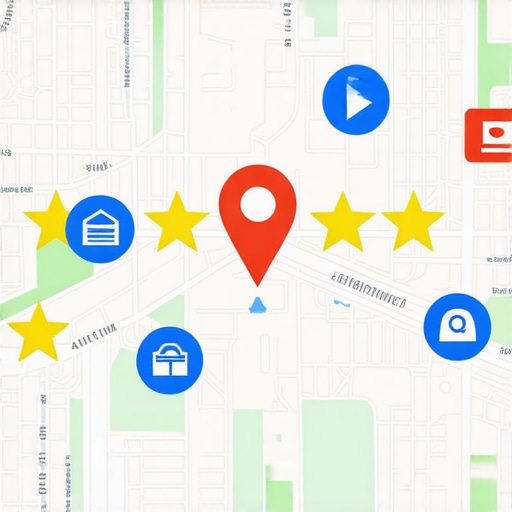
An illustrative diagram showing the interplay of AI signals and local engagement factors influencing Google Maps rankings.Maintaining long-term success with your local SEO efforts requires the right tools and consistent strategies. I personally rely on advanced reputation management software like BirdEye to automate review requests; its AI-driven prompts help me gather natural, keyword-rich feedback without sounding pushy. For tracking rankings and visibility, BrightLocal offers in-depth reporting that reveals which keywords and posts are truly moving the needle—essential for adjusting your tactics over time. To streamline profile updates and ensure consistency across platforms, I use SEMrush’s Listing Management tool, which syncs your NAP data and helps identify inaccuracies that could hurt your rankings. More importantly, I make a habit of leveraging GMB elevation techniques regularly, systematically adding FAQs, posting updates, and engaging with reviews to keep my profile fresh and authoritative.
Looking ahead, the evolution of Google’s AI and machine learning algorithms suggests a future where real-time engagement, personalized content, and reputation signals will dominate local rankings. Staying ahead means integrating these tools into your ongoing strategy, not just a one-time setup.
So, how do I maintain my map pack dominance over time? The secret is consistent optimization paired with monitoring tools that alert me to any sudden drops or opportunities. For example, setting up automatic alerts for review declines or profile inconsistencies helps me act swiftly before small issues become ranking killers. Additionally, dedicating a few minutes daily to respond to reviews and post updates keeps your profile active and signals ongoing customer engagement to Google.
To get started with keeping your visibility on point, I recommend trying out BrightLocal’s review tracking features alongside your review generation efforts. This combined approach ensures you’re not just collecting reviews but also leveraging them effectively to bolster your local presence. Want more tailored insights? Reach out through our contact page for personalized support and advanced strategies tailored to your niche.
The Hard Truth About Overlooking Small Details
One of the most eye-opening lessons I learned is that minor oversights—like inconsistent NAP data or neglecting local reviews—can severely undermine your ranking efforts. These small errors often go unnoticed but accumulate over time, causing your profile to underperform despite your other efforts.
The Power of Genuine Engagement Over Quick Fixes
I realized that building authentic relationships with local clients and actively managing reviews delivers more sustainable results than relying solely on shortcuts or superficial tactics. Deep engagement signals to Google that your business is trusted and relevant in your community.
Watching Algorithm Changes Requires Vigilance
Staying ahead of Google’s evolving AI-driven algorithms means continuously monitoring your profile’s performance and adapting your strategies accordingly. Failing to evolve can leave your rankings stagnant or even declining, no matter how effective your current tactics seem.
Data-Driven Adjustments Bring Clarity
Using tools to analyze which keywords and content pieces generate the most customer engagement has been transformative. These insights help me focus my efforts on what’s working, ultimately accelerating my local dominance and ROI.
The Role of Patience and Persistence
One of the toughest but most valuable lessons is understanding that local SEO is a marathon, not a sprint. Consistent, deliberate actions—like regular profile updates, review cultivation, and strategic content—compound over time, leading to long-term success.
My Essential Toolkit for Map Pack Success
Over the years, I’ve come to rely on several trusted resources: BrightLocal for reputation management, SEMrush for profile consistency, and our cornerstone content on mastering map pack secrets gave me a comprehensive blueprint. These tools provide reliable, actionable insights that keep my local SEO efforts sharp and aligned with the latest algorithm trends.
Keep the Momentum Alive With Continuous Learning
One thing I can’t stress enough is the importance of staying curious and adaptable. The local search landscape is constantly shifting, and what worked last year might not hold today. Investing in ongoing education and experimenting with new tactics ensures you stay ahead of the curve—and ahead of your competition.
Are You Ready to Elevate Your Local Presence?
The key to sustained success in Google Map rankings lies in thoughtful, consistent effort combined with smart tools and a willingness to learn. Don’t get discouraged if growth feels slow at first—remarkable results often come from persistence and precision. Ready to take your local map pack performance to the next level? Dive into the advanced elevation techniques at our GMB elevation guide and see real improvements unfold.