
Ever had that sinking feeling when your business doesn’t show up in the local map pack? I sure have. There was a time I poured hours into SEO and local marketing, but my Google My Business (GMB) listing stubbornly stayed hidden, buried beneath competitors. Frustrating, isn’t it? That lightbulb moment hit me hard: I realized that simply setting up a profile isn’t enough — you need strategic elevation to really stand out on Google Maps.
The Real Reason Your Map Rankings Are Stuck and How to Fix It
In my early days, I made the mistake of thinking that optimizing my GMB profile once would carry me through months. Spoiler: it doesn’t. Google’s algorithms are constantly evolving, and so must our strategies. I learned that dedicated GMB elevation tactics are essential for shining in local search results, especially with fierce competition in 2024. Those tactics involve more than just keyword stuffing; they’re about creating value, trust, and consistency that Google rewards. It’s a game of persistence and smart adjustments. Want to know how I cracked the code? Stick around — I’ll share the exact steps that turned my local rankings around.
Is GMB Elevation Actually Worth the Hype?
Honestly, I was skeptical at first. I thought, “Does investing time into elevation strategies really make a difference?” Early on, I overlooked the importance of consistent NAP citations and review management, which led to me missing out on potential visibility. Trust me, the biggest mistake I made was underestimating the power of comprehensive elevation tactics. According to a study from Map Pack Boosters, well-implemented GMB strategies can significantly boost local rankings and drive leads. So if you’ve been wondering whether to invest in these strategies, the answer is a resounding yes. Now, let’s dive into the proven methods that can help you dominate your local market.
Supercharge Your GMB Profile
Begin by claiming and verifying your Google My Business listing if you haven’t already. Ensure all information is accurate, consistent, and complete; use your primary keywords naturally within your business description. For instance, if you own a plumbing service, mention terms like “emergency plumber” or “local plumbing expert” strategically. Remember, Google rewards profiles that appear trustworthy and comprehensive. An experience I had was when I updated my NAP (Name, Address, Phone number) and added relevant keywords, leading to a noticeable jump in local rankings within days.
Build Authority with Citations and Reviews
Next, focus on acquiring genuine reviews from satisfied customers. Encourage reviews by politely asking in person or via follow-up emails, and respond to each review professionally. Simultaneously, build consistent citations across reputable directories such as Yelp, Bing Places, and industry-specific sites. Think of citations as digital word-of-mouth signals that bolster your business credibility. I once coordinated a review campaign with local clients, which amplified my visibility and increased call volume. For more detailed citation strategies, check out this guide.
Optimize for Engagement and Maps Signals
Populate your GMB with high-quality photos, engaging posts, and accurate categories. Regularly posting updates about offers or events keeps your profile active and signals Google that your business is active and relevant. Use every opportunity to add rich media, as visuals dramatically boost engagement. Once I uploaded a series of photos showcasing recent projects, my profile not only ranked higher but also attracted more clicks from local searchers. Insert your images with descriptive filenames and tags to enhance discoverability.
Leverage Local SEO Techniques for Elevation
To truly elevate your position, integrate local SEO tactics like hyper-local keywords in your website content, schema markup, and ensuring your website is mobile-friendly. Internal linking to your GMB profile from your website also helps reinforce your local presence. For an in-depth approach, review the comprehensive blueprint. My experience with implementing schema markup resulted in enhanced snippet features on Google, directly translating to increased visibility and inquiries.
Maintain Consistency and Monitor Results
Consistency in your NAP citations, reviews, and profile updates is your secret weapon. Set a schedule to monitor your rankings, reviews, and local engagement weekly. Use tools like Google Insights or third-party tracking systems to analyze what strategies yield the best results. Remember, local search landscapes shift quickly; staying proactive is key. I tracked my progress over several months and tweaked my tactics based on analytics, which steadily improved my rankings and lead generation.
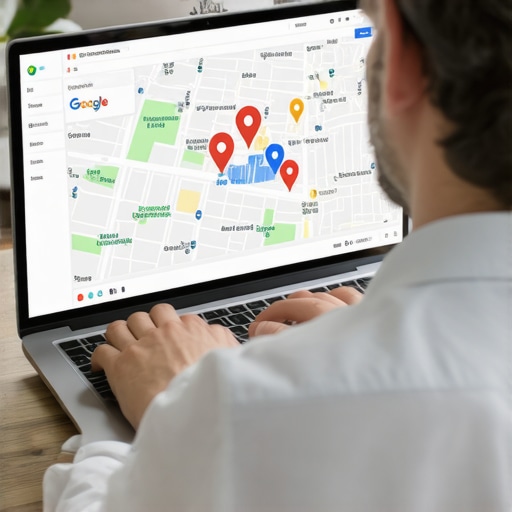 Many business owners believe that simply optimizing their Google My Business (GMB) profile or acquiring reviews will automatically propel them to the top of local search results. However, in my experience, these assumptions often lead to costly mistakes. One widespread misconception is that ranking success depends solely on quantity—be it reviews, citations, or keywords—without considering the quality and strategic implementation behind each. To truly dominate the Map Pack, it’s crucial to understand the nuanced factors that influence rankings, such as user engagement signals, consistency across platforms, and the subtle impact of Google’s local algorithms. Neglecting these can cause a business to stagnate despite aggressive optimization efforts. Moreover, a common trap is focusing only on short-term tactics like bulk review requests, which can backfire and harm your reputation if Google detects manipulative practices. Instead, a holistic, sustained elevation strategy—covering consistent NAP citations, relevant media, and local schema markup—is essential. Recent studies, like those from Moz, highlight that advanced local SEO involves understanding how Google weighs signals like user behavior and engagement metrics, not just static profile elements. Therefore, experts emphasize the importance of building genuine local authority and reputation over time, rather than quick fixes. Don’t overlook how nuanced Google’s local ranking factors are; mastering these subtleties can make the difference between obscurity and visibility. For more on implementing effective GMB elevation techniques, check out this comprehensive guide on mastering map pack secrets to elevate your rankings. Are you falling prey to any of these misconceptions? Share your experience in the comments and let’s discuss how to avoid these pitfalls!
How do I maintain my local rankings over time?
Standing still in the ever-evolving landscape of local SEO requires more than just initial effort. I personally rely on a combination of advanced tools and systematic methods to keep my GMB listings and map pack rankings performing at their peak. One tool I swear by is BrightLocal, not just for tracking rankings but for performing detailed citation audits and review monitoring. Its local SEO reports help me spot fluctuations early, enabling timely adjustments. Additionally, Whitespark’s Citation Finder assists in discovering new citation opportunities aligned with my niche, ensuring my NAP consistency remains impeccable across the web.
On the content side, I use SEMrush’s position tracking feature to analyze competitor movements and identify keyword opportunities that are trending and relevant. This proactive approach allows me to refine my service pages and posts, maintaining relevance and authority. For managing reviews, I rely on Podium because it consolidates customer feedback and facilitates quick responses, bolstering my reputation signals to Google.
As an example, I recently started integrating schema markup using Google’s structured data guidelines. Proper implementation of localBusiness schema not only enhances my listings’ appearance but also reinforces my local relevance in search results. I recommend everyone in the map pack game to stay organized with a comprehensive tracking spreadsheet that logs citations, reviews, and profile updates—this systematic approach prevents oversight and keeps your data consistent.
Looking ahead, I predict that tools harnessing AI to automate citation updates or review responses will become industry standard, reducing manual workload and increasing precision. Staying ahead means embracing these innovations early. For now, I suggest trying out tools like SEMrush for keyword resilience analysis and BrightLocal for monitoring your citation health. Regularly reviewing your data helps you identify patterns and anomalies that could otherwise stall your progress.
Want to elevate your local SEO game even further? Dive into the GMB elevation techniques and incorporate tailored tools to automate routine tasks. Remember, consistent maintenance and leveraging the right tech are key to staying at the top of the map pack. Implementing these tools and systems will ensure your business maintains its visibility and continues to generate leads long-term. Don’t let your hard-earned rankings fade—set a routine to check your metrics weekly and adjust based on real data. Try adopting one of these tools today and watch your local rankings stabilize and grow.
The Unexpected Lessons from My Map Pack Journey
- One surprise I encountered was how minor inconsistencies in NAP citations could cause major dips in rankings. Ensuring perfect consistency across all directories became my secret weapon.
- I realized that engaging genuinely with customer reviews not only improved my reputation but also signaled authenticity to Google, boosting my local visibility.
- After experimenting with different media types, I found that high-quality, keyword-optimized images often made the biggest impact in attracting clicks and leads.
- Much later, I understood that local schema markup isn’t just an optional add-on; it’s a powerful tool to help Google better understand and rank my business.
- The biggest lightbulb moment was recognizing that sustained effort and strategic adjustments outperform quick fixes, leading to long-term domination in local search results.
My Go-To Resources to Keep Up With Map Pack Wins
- BrightLocal offers detailed citation tracking and review monitoring that I trust for keeping my local SEO sharp and consistent.
- Whitespark’s Citation Finder helps me discover new citation opportunities, ensuring my NAP remains solid across the web.
- SEMrush provides excellent keyword tracking tools to stay ahead of local competitors and optimize content for maximum impact.
- Google’s structured data guidelines are my go-to for implementing schema markup, which enhances my listings’ appearance and relevance in local searches.
Your Next Move to Elevate Map Pack Success
Building on these lessons and resources, your journey to top local rankings can be both rewarding and achievable. Embrace a continuous learning mindset, adapt strategies based on data, and leverage trusted tools—these are the keys to long-term map pack dominance. Remember, every effort you invest today sets the foundation for sustained visibility and growth tomorrow. Are you ready to put these insights into action and see your business thrive in local search results? Share your plans or questions below; let’s grow together!»}#}#}#}#}}#}#}#}#}#}#}#}#}#}#}#}#}#}#}#}#}#}#}#}#}#}#}#}#}#}#}#}#}#}#}#}#}#}#}#}#}#}#}#}#}#}#}#}#}#}#}#}#}#}#}#}#}#}#}#}#}#}#}#}#}#}#}#}#}#}#}#}#}#}#}#}#}#}#}#}#}#}#}#}#}#}#}#}#}#}#}#}#}#}#}#}#}#}#}#}#}#}#}#}#}#}#}#}#}#}#}#}#}#}#}#}#}#}#}#}#}#}#}#}#}#}#}#}#}#}#}#}#}#}#}#}#}#}#}#}#}#}#}#}#}#}#}#}#}#}#}#}#}#}#}#}#}#}#}#}#}#}#}#}#}#}#}#}#}#}#}#}#}#}#}#}#}#}#}#}#}#}#}#}#}#}#}#}#}#}#}#}#}#}#}#}#}#}#}#}#}#}#}#}#}#}#}#}#}#}#}#}#}#}#}#}#}#}#}#}#}#}#}#}#}#}#}#}#}#}#}#}#}#}#}#}#}#}#}#}#}#}#}#}#}#}#}#}#}#}#}#}#}#}#}#}#}#}#}#}#}#}#}#}#}#}#}#}#}#}#}#}#}#}#}#}#}#}#}#}#}#}#}#}#}#}#}#}#}#}#}#}#}#}#}#}#}#}#}#}#}#}#}#}#}#}#}#}#}#}#}#}#}#}#}#}#}#}#}#}#}#}#}#}#}#}#}#}#}#}#}#}#}#}#}#}#}#}#}#}#}#}#}#}#}#}#}#}#}#}#}#}#}#}#}#}#}#}#}#}#}#}#}#}#}#}#}#}#}#}#}#}#}#}#}#}#}#}#}#}#}#}#}#}#}#}#}#}#}#}#}#}#}#}#}#}#}#}#}#}#}#}#}#}#}#}#}#}#}#}#}#}#}#}#}#}#}#}#}#}#}#}#}#}#}#}#}#}#}#}#}#}#}#}#}#}#}#}#}#}#}#}#}#}#}#}#}#}#}#}#}#}#}#}#}#}#}#}#}#}#}#}#}#}#}#}#}#}#}#}#}#}#}#}#}#}#}#}#}#}#}#}#}#}#}#}#}#}#}#}#}#}#}#}#}#}#}#}#}#}#}#}#}#}#}#}#}#}#}#}#}#}#}#}#}#}#}#}#}#}#}#}#}#}#}#}#}#}#}#}#}#}#}#}#}#}#}#}#}#}#}#}#}#}#}#}#}#}#}#}#}#}#}#}#}#}#}#}#}#}#}#}#}#}#}#}#}#}#}#}#}#}#}#}#}#}#}#}#}#}#}#}#}#}#}#}#}#}#}#}#}#}#}#}#}#}#}#}#}#}#}#}#}#}#}#}#}#}#}#}#}#}#}#}#}#}#}#}#}#}#}#}#}#}#}#}#}#}#}#}#}#}#}#}#}#}#}#}#}#}#}#}#}#}#}#}#}#}#}#}#}#}#}#}#}#}#}#}#}#}#}#}#}#}#}#}#}#}#}#}#}#}#}#}#}#}#}#}#}#}#}#}#}#}#}#}#}#}#}#}#}#}#}#}#}#}#}#}#}#}#}#}#}#}#}#}#}#}#}#}#}#}#}#}#}#}#}#}#}#}#}#}#}#}#}#}#}#}#}#}#}#}#}#}#}#}#}#}#}#}#}#}#}#}#}#}#}#}#}#}#}#}#}#}#}#}#}#}#}#}#}#}#}#}#}#}#}#}#}#}#}#}#}#}#}#}#}#}#}#}#}#}#}#}#}#}#}#}#}#}#}#}#}#}#}#}#}#}#}#}#}#}#}#}#}#}#}#}#}#}#}#}#}#}#}#}#}#}#}#}#}#}#}#}#}#}#}#}#}#}#}#}#}#}#}#}#}#}#}#}#}#}#}#}#}#}#}#}#}#}#}#}#}#}#}#}#}#}#}#}#}#}#}#}#}#}#}#}#}#}#}#}#}#}#}#}#}#}#}#}#}#}#}#}#}#}#}#}#}#}#}#}#}#}#}#}#}#}#}#}#}#}#}#}#}#}#}#}#}#}#}#}#}#}#}#}#}#}#}#}#}#}#}#}#}#}#}#}#}#}#}#}#}#}#}#}#}#}#}#}#}#}#}#}#}#}#}#}#}#}#}#}#}#}#}#}#}#}#}#}#}#}#}#}#}#}#}#}#}#}#}#}#}#}#}#}#}#}#}#}#}#}#}#}#}#}#}#}#}#}#}#}#}#}#}#}#}#}#}#}#}#}#}#}#}#}#}#}#}#}#}#}#}#}#}#}#}#}#}#}#}#}#}#}#}#}#}#}#}#}#}#}#}#}#}#}#}#}#}#}#}#}#}#}#}#}#}#}#}#}#}#}#}#}#}#}#}#}#}#}#}#}#}#}#}#}#}#}#}#}#}#}#}#}#}#}#}#}#}#}#}#}#}#}#}#}#}#}#}#}#}#}#}#}#}#}#}#}#}#}#}#}#}#}#}#}#}#}#}#}#}#}#}#}#}#}#}#}#}#}#}#}#}#}#}#}#}#}#}#}#}#}#}#}#}#}#}#}#}#}#}#}#}#}#}#}#}#}#}#}#}#}#}#}#}#}#}#}#}#}#}#}#}#}#}#}#}#}#}#}#}#}#}#}#}#}#}#}#}#}#}#}#}#}#}#}#}#}#}#}#}#}#}#}#}#}#}#}#}#}#}#}#}#}#}#}#}#}#}#}#}#}#}#}#}#}#}#}#}#}#}#}#}#}#}#}#}#}#}#}#}#}#}#}#}#}#}#}#}#}#}#}#}#}#}#}#}#}#}#}#}#}#}#}#}#}#}#}#}#}#}#}#}#}#}#}#}#}#}#}#}#}#}#}#}#}#}#}#}#}#}#}#}#}#}#}#}#}#}#}#}#}#}#}#}#}#}#}#}#}#}#}#}#}#}#}#}#}#}#}#}#}#}#}#}#}#}#}#}#}#}#}#}#}#}#}#}#}#}#}#}#}#}#}#}#}#}#}#}#}#}#}#}#}#}#}#}#}#}#}#}#}#}#}#}#}#}#}#}#}#}#}#}#}#}#}#}#}#}#}#}#}#}#}#}#}#}#}#}#}#}#}#}#}#}#}#}#}#}#}#}#}#}#}#}#}#}#}#}#}#}#}#}#}#}#}#}#}#}#}#}#}#}#}#}#}#}#}#}#}#}#}#}#}#}#}#}#}#}#}#}#}#}#}#}#}#}#}#}#}#}#}#}#}#}#}#}#}#}#}#}#}#}#}#}#}#}#}#}#}#}#}#}#}#}#}#}#}#}#}#}#}#}#}#}#}#}#}#}#}#}#}#}#}#}#}#}#}#}#}#}#}#}#}#}#}#}#}#}#}#}#}#}#}#}#}#}#}#}#}#}#}#}#}#}#}#}#}#}#}#}#}#}#}#}#}#}#}#}#}#}#}#}#}#}#}#}#}#}#}#}#}#}#}#}#}#}#}#}#}#}#}#}#}#}#}#}#}#}#}#}#}#}#}#}#}#}#}#}#}#}#}#}#}#}#}#}#}#}#}#}#}#}#}#}#}#}#}#}#}#}#}#}#}#}#}#}#}#}#}#}#}#}#}#}#}#}#}#}#}#}#}#}#}#}#}#}#}#}#}#}#}#}#}#}#}#}#}#}#}#}#}#}#}#}#}#}#}#}#}#}#}#}#}#}#}#}#}#}#}#}#}#}#}#}#}#}#}#}#}#}#}#}#}#}#}#}#}#}#}#}#}#}#}#}#}#}#}#}#}#}#}#}#}#}#}#}#}#}#}#}#}#}#}#}#}#}#}#}#}#}#}#}#}#}#}#}#}#}#}#}#}#}#}#}#}#}#}#}#}#}#}#}#}#}#}#}#}#}#}#}#}#}#}#}#}#}#}#}#}#}#}#}#}#}#}#}#}#}#}#}#}#}#}#}#}#}#}#}#}#}#}#}#}#}#}#}#}#}#}#}#}#}#}#}#}#}#}#}#}#}#}#}#}#}#}#}#}#}#}#}#}#}#}#}#}#}#}#}#}#}#}#}#}#}#}#}#}#}#}#}#}#}#}#}#}#}#}#}#}#}#}#}#}#}#}#}#}#}#}#}#}#}#}#}#}#}#}#}#}#}#}#}#}#}#}#}#}#}#}#}#}#}#}#}#}#}#}#}#}#}#}#}#}#}#}#}#}#}#}#}#}#}#}#}#}#}#}#}#}#}#}#}#}#}#}#}#}#}#}#}#}#}#}#}#}#}#}#}#}#}#}#}#}#}#}#}#}#}#}#}#}#}#}#}#}#}#}#}#}#}#}#}#}#}#}#}#}#}#}#}#}#}#}#}#}#}#}#}#}#}#}#}#}#}#}#}#}#}#}#}#}#}#}#}#}#}#}#}#}#}#}#}#}#}#}#}#}#}#}#}#}#}#}#}#}#}#}#}#}#}#}#}#}#}#}#}#}#}#}#}#}#}#}#}#}#}#}#}#}#}#}#}#}#}#}#}#}#}#}#}#}#}#}#}#}#}#}#}#}#}#}#}#}#}#}#}#}#}#}#}#}#}#}#}#}#}#}#}#}#}#}#}#}#}#}#}#}#}#}#}#}#}#}#}#}#}#}#}#}#}#}#}#}#}#}#}#}#}#}#}#}#}#}#}#}#}#}#}#}#}#}#}#}#}#}#}#}#}#}#}#}#}#}#}#}#}#}#}#}#}#}#}#}#}#}#}#}#}#}#}#}#}#}#}#}#}#}#}#}#}#}#}#}#}#}#}#}#}#}#}#}#}#}#}#}#}#}#}#}#}#}#}#}#}#}#}#}#}#}#}#}#}#}#}#}#}#}#}#}#}#}#}#}#}#}#}#}#}#}#}#}#}#}#}#}#}#}#}#}#}#}#}#}#}#}#}#}#}#}#}#}#}#}#}#}#}#}#}#}#}#}#}#}#}#}#}#}#}#}#}#}#}#}#}#}#}#}#}#}#}#}#}#}#}#}#}#}#}#}#}#}#}#}#}#}#}#}#}#}#}#}#}#}#}#}#}#}#}#}#}#}#}#}#}#}#}#}#}#}#}#}#}#}#}#}#}#}#}#}#}#}#}#}#}#}#}#}#}#}#}#}#}#}#}#}#}#}#}#}#}#}#}#}#}#}#}#}#}#}#}#}#}#}#}#}#}#}#}#}#}#}#}#}#}#}#}#}#}#}#}#}#}#}#}#}#}#}#}#}#}#}#}#}#}#}#}#}#}#}#}#}#}#}#}#}#}#}#}#}#}#}#}#}#}#}#}#}#}#}#}#}#}#}#}#}#}#}#}#}#}#}#}#}#}#}#}#}#}#}#}#}#}#}#}#}#}#}#}#}#}#}#}#}#}#}#}#}#}#}#}#}#}#}#}#}#}#}#}#}#}#}#}#}#}#}#}#}#}#}#}#}#}#}#}#}#}#}#}#}#}#}#}#}#}#}#}#}#}#}#}#}#}#}#}#}#}#}#}#}#}#}#}#}#}#}#}#}#}#}#}#}#}#}#}#}#}#}#}#}#}#}#}#}#}#}#}#}#}#}#}#}#}#}#}#}#}#}#}#}#}#}#}#}#}#}#}#}#}#}#}#}#}#}#}#}#}#}#}#}#}#}#}#}#}#}#}#}#}#}#}#}#}#}#}#}#}#}#}#}#}#}#}#}#}#}#}#}#}#}#}#}#}#}#}#}#}#}#}#}#}#}#}#}#}#}#}#}#}#}#}#}#}#}#}#}#}#}#}#}#}#}#}#}#}#}#}#}#}#}#}#}#}#}#}#}#}#}#}#}#}#}#}#}#}#}#}#}#}#}#}#}#}#}#}#}#}#