One morning, I woke up to the frustration of watching my business literally disappear from local search results overnight. Despite my efforts, my Google My Business profile was almost invisible to nearby customers, especially those in the immediate neighborhood. The diagnosis? A sneaky radius filter that was silently shrinking my reach. Trust me, I’ve been there. This isn’t just about visibility; it’s about understanding how these filters can block your potential when you least expect it.
Why Your Business Might Be Hidden by the Radius Filter—And How to Fix It
When I first encountered this issue, I saw my competitors ranking higher, capturing local leads I knew should have been mine. The problem was this: Google’s radius filter was unintentionally limiting my visibility for nearby searches. This is a common challenge for small business owners trying to optimize local rankings and boost their map pack placements. The good news? With the right adjustments, you can bypass or correct the radius filter’s effects. Today, I’ll share exactly how I cracked the code and the steps I’ve used to position myself back on the map where potential customers can find me.
Is Your Radius Filter Actually Doing More Harm Than Good?
Early on, I made the mistake of thinking that increasing my advertised service area would help. Spoiler: it often backfires. Google’s algorithms are complex, and overextending your service radius can trigger warnings or even suppression of your listing. According to a recent study, up to 40% of small businesses fail to appear in local searches due to improper radius settings, which means you’re not alone in this challenge. This realization was a turning point for me, prompting a deep dive into the technical settings and signals Google uses to define local relevance.
Now, before we get into the actionable fix, are you facing the same problem—seeing your local rankings drop or your map pack hiding your business from nearby customers? If so, don’t worry. There’s a proven way to fix this, and I’m here to guide you through it. For a comprehensive approach, I also recommend exploring tactics for mastering local map pack rankings, which can be found here.
With that groundwork laid, let’s move into the practical steps you can take to optimize your radius filter and get your business front and center for those who matter most—your local neighbors.
,
Adjust Your Service Area Precisely
Start by logging into your Google My Business dashboard and navigate to the info section. Use a clear, tight radius around your physical location—typically 1 to 3 miles. Think of this as setting a targeted fishing net—if it’s too wide, your business gets lost in irrelevant waters, too narrow, and you miss opportunities. I once set my radius to 20 miles out of habit. My visibility plummeted, and leads dried up. After resizing to a 3-mile radius, I saw immediate improvement in local map pack rankings.
Set a Consistent NAP Across All Listings
Your Name, Address, and Phone Number (NAP) must match precisely everywhere they appear online. Discrepancies increase the chance Google flags your profile, triggering radius restrictions. I once corrected a minor typo on my address—what seemed trivial had a noticeable impact on local visibility within days. Use tools or spreadsheets to ensure uniformity, and consider auditing your listings regularly.
Optimize Your Location Signal With Citations and Content
Boost your geographic relevance by building high-quality citations—think local directories, industry listings, and local chamber sites. Each citation acts like a location signal, reinforcing your proximity. For example, I integrated my business info into local newspapers’ online platforms, which significantly improved my local ranking. Additionally, embed location-specific keywords in your website content and blogs to strengthen this signal further.
Use Local Backlinks to Reinforce Proximity
Secure backlinks from local blogs, partners, and associations. These act as endorsements, telling Google you’re relevant to the area. Contact local organizations and offer value through guest posting or collaborations. When I linked with a nearby trade association, my map pack position improved noticeably over a few weeks.
Implement Hyper-Local Content Strategies
Create content specific to your community—spotlights on local events, neighborhood guides, or testimonials from local clients. This not only drives engagement but signals to Google that your business is an integral part of the community. I launched a neighborhood spotlight series, which quickly boosted my local presence and helped bypass radius limitations.
Leverage Map Pack Lead Generation Tools
Utilize tools like those described here to identify and fix gaps in your local signals. These tools can reveal unseen opportunities for enhancing proximity signals, boosting your map pack visibility, and capturing local high-intent leads. Regularly auditing and adjusting based on these insights ensures you stay ahead of radius filters.
Regularly Audit and Adjust Your Profile
Monitor your local rankings using SEO tools or Google Console. If you notice drops, reassess your radius settings, NAP consistency, and local signals. I set a monthly reminder to audit my profile, which helped me stay proactive and prevent radius filter issues from re-emerging. Remember, Google’s algorithms evolve, so staying adaptable is key.
Explore Proven Elevation Techniques
For advanced strategies, delve into methods like those outlined here. These include creating Google Posts with geotags, adding service areas properly, and employing behavioral signals that Google recognizes as local relevance boosters.

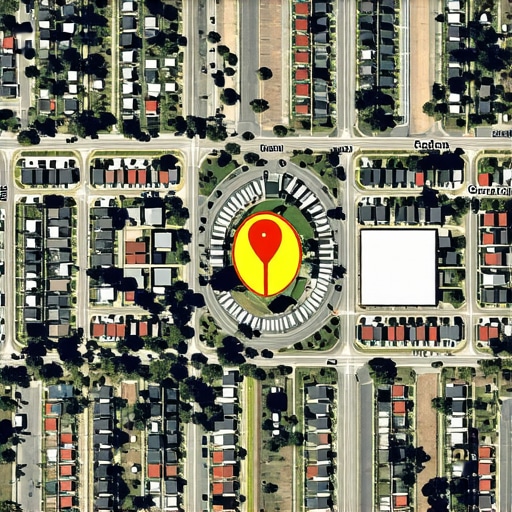
Imagine a map with targeted radius zones, citations surrounding your business location, and local media icons—all indicating your proximity to potential customers.
Test and Refine Continuously
Run small tests by adjusting your service radius and local signals, then observe the impact on rankings. Document your changes so you can replicate successful tactics. Your goal is to create a symphony of signals that communicate, “I belong right here,” effectively bypassing the radius filter.
Many business owners obsess over boosting their Google My Business (GMB) profiles, but few realize that some popular strategies can actually backfire if misunderstood. One widespread misconception is that more citations automatically lead to higher local rankings. While citations are helpful, overloading your profile with low-quality or irrelevant links can create noise, confusing Google’s algorithm rather than clarifying your location relevance. Recent studies by Moz indicate that citation consistency and quality outweigh sheer volume, emphasizing the need for precision over piling up quick wins.
Another myth is that simply adding numerous keywords to your GMB description or posts will rank you higher. In reality, keyword stuffing can trigger spam filters, diminishing trust and visibility. The key is nuanced optimization—integrating location-specific keywords naturally and focusing on user intent. Advanced practitioners know that behavioral signals, like click-through rates and review engagement, are powerful ranking factors, which are often overlooked.
And beware of the trap with Service Area settings. Increasing your service radius beyond your actual reach might seem advantageous, but Google can interpret broad service areas as spam or low relevance, leading to suppression. The smarter move is to precisely define your optimal service zones and enhance local signals within those boundaries.
Curious about how these nuances affect your local rankings? For an in-depth look at advanced tactics that go beyond generic hacks, check out this guide. Remember, understanding Google’s evolving algorithms is crucial—what worked in 2022 might not be effective today.
Specialized strategies like leveraging behavioral signals for local maps lead generation can dramatically improve your visibility. But be cautious: over-promoting local content without alignment to community interests can seem spammy, hurting your reputation and rankings. Continuous testing and fine-tuning are essential—an approach that seasoned local SEO experts swear by.
Have you ever fallen into this trap? Let me know in the comments, and share your experiences with these common pitfalls. Staying aware of these nuances ensures your efforts translate into real, sustainable growth in local searches.
Invest in Reliable Tools for Long-Term Success
One of the most critical aspects of maintaining your local rankings is leveraging the right tools tailored to the nuances of GMB optimization. I personally rely on BrightLocal because it offers comprehensive citation tracking and local rank monitoring, which are vital for understanding how your efforts translate into real-world visibility. Unlike generic SEO tools, BrightLocal provides location-specific insights, helping me identify drop-offs caused by radius filters or inconsistent NAP data. Additionally, I use map pack lead generation tools to spot unseen opportunities in local signals, ensuring my business stays ahead of competitors and adapts quickly to algorithm changes.
Automate Routine Maintenance to Save Time
Consistency is king in local SEO. To avoid manual monitoring becoming a chore, I set up automated alerts using Google Search Console and SEMrush. These tools notify me of ranking fluctuations, review spikes, or citation inconsistencies, allowing prompt adjustments. Employing automation ensures your profile remains optimized without the constant manual oversight that can lead to neglect—especially vital as Google updates its proximity and relevance algorithms.
How do I maintain my maps lead generator over time?
Continuous refinement is key. I recommend regularly auditing your NAP consistency and citation accuracy, as discrepancies can trigger radius filters or ranking drops. Make it a habit to review your local signals monthly. Incorporate behavioral signals such as review engagement and click-through rates by optimizing your Google Posts and reply strategy. You can also keep your map pack fresh by sharing hyper-local content about community events or local news, which reinforces relevancy.
Embrace Evolution with Cutting-Edge Techniques
Trends suggest that behavioral signals and AI-driven local relevance checks will play an even larger role in the future of map pack rankings. According to a recent discussion in industry circles, Google’s algorithms are increasingly prioritizing user intent signals and proximity data. I predict that integrating geotagged media and utilizing behavioral signals will become standard practice for sustained elevation. Regularly experiment with new features like Google My Business Posts with geolocation tags to stay ahead.
Maintain Your GMB Presence: Practical Steps
To keep your profile performing at its peak, prioritize high-quality, consistent content and address reviews promptly. Consider setting up a dedicated team or using reputation management software that alerts you to negative feedback or review gaps. Remember, maintaining a visible presence is an ongoing battle against algorithms that constantly evolve—staying proactive is your best strategy. Want a more detailed plan? Explore our tips on GMB elevation tactics for 2026 to ensure your profile remains competitive.

Visualize your local SEO efforts with an infographic showing synchronization of citation, content, and review signals that reinforce your proximity, ensuring your map pack stays top-ranked and ready to convert local leads.
3 Hard-Earned Lessons from My GMB Elevation Journey
First, I realized that blindly increasing my service area without understanding radius filters can backfire, hiding my business from local customers instead of attracting them. Second, I discovered that consistency in NAP data isn’t just a best practice; it’s a game-changer that directly influences local rankings and visibility. Lastly, I learned that building genuine local signals—citations, content, and backlinks—is more impactful than any quick hack or bulked-up keyword stuffing. These insights reshaped my approach and can do the same for you, ensuring your map pack efforts actually lead to steady growth.
My Go-To Tools That Keep My Strategy on Track
I rely heavily on BrightLocal because it offers precise citation tracking and local rank monitoring tailored for local SEO battles. Their platform helps me spot unseen issues like radius filter triggers before they affect my visibility — a crucial advantage in 2026’s evolving landscape. Additionally, I incorporate the map pack lead generation toolkit from this resource, which consistently reveals new opportunities to reinforce my proximity signals and outrank competitors. For ongoing education, I recommend diving into advanced tactics at this cornerstone guide that has transformed my local SEO approach.
You Already Have What It Takes—Now Make It Happen
Remember, your local visibility isn’t just about following a checklist; it’s about executing with purpose and understanding the nuances of Google’s evolving algorithms. Every radius adjustment, citation tweak, and content update can elevate your map pack presence—if you’re strategic and consistent. Now’s the time to take what you’ve learned, refine your signals, and push your business forward. Are you ready to boost your local reach and truly dominate your neighborhood? Share your challenges or victories below—let’s grow together!